Things to Do in Vientiane in September
September weather, activities, events & insider tips
Low Season · Budget Friendly
September Weather in Vientiane
Long-run averages for September
89°F (31°C)
High Temp
76°F (24°C)
Low Temp
10.4 inches (264 mm)
Rainfall
86%
Humidity
12
Sunny-Day UV
⚠ The Mekong River approaches its annual flood peak in September, and low-lying sections of central Vientiane near the riverfront promenade are prone to flooding during sustained heavy rain. Check conditions locally before planning riverside walks after wet days. Be prepared for temporary closures of the promenade and riverside food stalls.
⚠ Monsoon season drives elevated dengue fever risk across the Mekong valley. Standing water after daily rains creates mosquito breeding habitat throughout the city. DEET-based repellent at dusk is essential. Long sleeves after sundown reduce exposure significantly. Any fever or severe joint pain within two weeks of your visit warrants immediate medical attention.
⚠ Intense downpours can make unpaved roads and rural routes temporarily impassable, the approach to Buddha Park and villages outside central Vientiane. Allow extra travel time for outlying excursions. Expect delays after heavy morning rain. The sealed Route 13 to Vang Vieng remains passable but slows considerably in reduced visibility.
Is September Right for You?
Weigh the advantages and considerations before booking
Advantages
- + September empties Vientiane. Pha That Luang, Wat Si Saket, and the Mekong promenade feel almost private. Tour buses vanish. Monks own the mornings. Market vendors work without rush. Every temple interaction slows down. The dry season crowds never allow this.
- + Rates hit bottom. Guesthouses along the Mekong negotiate hard. Mid-range properties near Chao Anouvong Park chase the few travelers who arrive. Last-minute booking works here. November through February demands weeks of advance planning. September does not.
- + The landscape earns every shot. The Mekong swells to its widest reach. Rice paddies beyond the city flood into vast mirrors. Cloud breaks catch there. Tamarind and frangipani drip heavy after storms. The boulevards fill with wet-earth sweetness. Dry season cannot produce this.
- + Boun Khao Salak lands in September. This is not staged. Families prepare elaborate food offerings. Monks receive them by lottery at temples across the city. Buddhist life happens here. It happens on its own terms.
Considerations
- − Rain will rewrite your plans. Vientiane receives 264 mm (10.4 inches) across September. Afternoon squalls hit fierce. Unpaved lanes become calf-deep waterways within twenty minutes. Flexibility is not optional. It is the entire logic of your trip.
- − Humidity hits 86%. The air clings immediately. Shirts soak through on ten-minute walks. Sweating and existing blur by midmorning. Air-conditioned cafes stop being comfort. They become recovery infrastructure. Plan accordingly.
- − The Mekong nears its annual peak. Low-lying stretches of the riverfront promenade sometimes flood. Riverside dining spots may shift locations. Boat services reduce schedules when currents run fast. Evening food stalls along Fa Ngum Road relocate without notice. Check before you go.
Best Activities in September
Top things to do during your visit
Vientiane in September sits deep in the wet season, and that single fact reshapes the entire experience of the Lao capital. Afternoon highs hover around 31°C, and the Mekong, usually a placid, sand-banked ribbon, runs swollen and fast, its brown water lapping at the promenade walls along Fa Ngum Road. Rainfall averages roughly 264 mm across the month, arriving most often as dramatic late-afternoon downpours that hammer the corrugated roofs of Talat Sao and leave the air thick with the smell of wet laterite and frangipani. Mornings, though, tend toward a grey stillness broken by monks in saffron collecting alms along Setthathirath Road, their bare feet soundless on pavement still dark with overnight rain. The city moves at a different tempo now. Restaurants along the riverfront that pack out in the cool-season months have half their tables empty, and you can walk into Kualao or a noodle shop on Samsenthai Road without waiting. Guesthouses and hotels in the downtown core between Nam Phou fountain and Patuxai tend to offer better rates and more flexible rooms this time of year, a practical advantage for travelers who can tolerate the heat. Nightlife around the cluster of bars on Setthathirath and François Nginn roads carries on, Bor Pen Nyang and the rooftop spots keep pouring BeerLao. But the crowds thin early when rain moves in. The food, though, is arguably at its peak: river weed (kaipen) is still in supply, fresh herbs are explosively green from the rains, and the morning markets along Khua Din overflow with lemongrass, galangal, and finger-length chillies whose sharp vegetal scent hits you from a full stall's distance away. Safety in Vientiane is a question visitors raise, and the honest answer is that the capital is one of the calmest in Southeast Asia. Petty theft exists, lock your guesthouse room, keep phones out of tuk-tuk baskets. But violent crime against tourists is vanishingly rare. The real September hazard is practical: flooded side streets, in lower-lying areas near the river, can turn a shortcut into ankle-deep wading. Stick to the raised main roads after heavy rain, and carry a headlamp or phone torch for the stretches where streetlights give out. For onward travel, the Vientiane, Luang Prabang railway has transformed the corridor north, what used to be a bone-jarring ten-hour bus ride is now a smooth journey through karst tunnels and across river gorges, making day trips from Vientiane or connections to Vang Vieng and Luang Prabang radically easier than even two years ago.

Vientiane Cultural Tour with Private Guide
private_tourA private guided walk through Vientiane's cultural spine, Wat Si Saket with its thousands of miniature Buddha niches, the former royal temple of Haw Phra Kaew, and the golden stupa of Pha That Luang, gains an entirely different dimension with a local guide who can explain why certain Buddha postures appear only in Lao iconography. The route threads through quiet monastery grounds where the wet-season grass grows shin-high between laterite walls, and the smell of incense and damp stone follows you from hall to hall. With a private guide, the pacing bends to your curiosity: linger at the cloister of Wat Si Saket where 6,840 small Buddhas sit in rows that seem to recede into shadow, or spend longer at Pha That Luang watching the gold surface catch whatever light breaks through September's overcast sky.
The only way to decode the layered history behind Vientiane's most important religious monuments without spending hours cross-referencing a guidebook.
Insider tip: Ask the guide to start at Wat Si Saket right at opening, the cloister is nearly empty before the first tour buses arrive around mid-morning, and the cool air inside the covered walkway is noticeably more comfortable than the open compound of Pha That Luang later in the day.

Laos Railway Tickets Easily: Avoid Long Queues & Wasted Time
guided_experienceThe Laos, China Railway has redrawn the map of Lao travel. But the ticketing system at Vientiane Station can defeat even experienced regional travelers, the official app requires a Lao phone number, the counter queues stretch long on busy mornings, and sellouts on popular departures to Vang Vieng happen without warning. This service handles the booking friction so you walk straight to the platform with a confirmed seat. The train itself is worth the effort: air-conditioned cars glide through limestone karst that rises sheer from rice paddies still flooded green in September, and the tunnels, dozens of them, bored through solid mountain, plunge the carriage into sudden cool darkness before spitting you out above another river valley.
Removes the single biggest logistical headache of Lao overland travel and puts you on one of Southeast Asia's most impressive rail lines without the queue stress.
Insider tip: Book the morning departure toward Luang Prabang for the best light on the karst scenery, afternoon trains run the same route but you lose visibility as clouds build toward the daily downpour.

Vientiane Private Full-Day Tour with Buddha Park and Lunch
day_tripA full day that pushes beyond central Vientiane to Xieng Khuan, the sculpture park known locally as Buddha Park, where enormous concrete figures of Buddhas, demons, and Hindu deities sprawl across a riverside meadow roughly 25 kilometres southeast of the city. In September the Mekong running alongside the park is at its widest and fastest, and the grass between the sculptures grows thick and vivid, giving the surreal statues the look of ruins being slowly reclaimed by jungle. The day includes a private vehicle and lunch, which matters more than it sounds: public transport to Buddha Park means a cramped sŏrngtăaou from the Talat Sao bus station, and the midday heat at 31°C makes the open-air park draining without a cooled car to retreat to.
The only practical way to reach Vientiane's strangest landmark and still have energy to examine the city sights included in the same itinerary.
Insider tip: Ask the driver to approach Buddha Park via the river road rather than the highway, the route passes fish farms and stilted houses along the Mekong flood plain, and in September the water is high enough that some yards are half-submerged, a scene you will not see in the dry months.
This month: September's high Mekong water level means the lowest-lying sculptures at Xieng Khuan can sit partially flooded, an eerie sight worth seeing, though some walking paths within the park may be muddy or impassable.

Vientiane Private Transfer: Wattay Airport -Hotel-Railway Station
transportWattay International Airport sits only a few kilometres from central Vientiane. But the taxi and tuk-tuk scene outside arrivals can be disorienting, drivers cluster at the exit, meters are rare, and negotiating a fair fare in the sticky heat after a flight is nobody's idea of a good start. A pre-arranged transfer to your hotel or onward to the railway station strips out that friction entirely. The ride itself is short, fifteen to twenty minutes to most downtown hotels, slightly longer to the train station, passing the wide, tree-lined boulevards that give Vientiane its oddly Parisian grid, with the occasional gilded wat roof flashing between shophouses.
Eliminates the arrival-day taxi negotiation and guarantees a fixed, transparent fare from the airport to wherever you need to be in the city.
Insider tip: If you are connecting directly to the railway station, confirm the train departure time before booking the transfer, the station is outside the city center in the opposite direction from most hotels, and September rain can slow traffic on Route 13.

Laos Railway: Train Tickets Easily - Skip the Lines - No worries
skip_lineA second railway ticketing option, this one pitched at travelers who want a confirmed seat without navigating the Lao-language booking platform or standing in the station queue. The service emphasizes skip-the-line access, which in practice means your ticket is purchased and waiting before you arrive at Vientiane Station, you walk past the counter crowd and head directly to the platform gates. For anyone connecting from the airport or arriving in Vientiane with a tight schedule, the time saved is tangible. The trains themselves are clean, punctual, and climate-controlled, a startling contrast to the rattling buses that were the only option on the Vientiane, Luang Prabang corridor until recently. The sound of the carriage clicking over joints gives way to silence inside the tunnels, then a rush of green light as the train emerges above a valley where mist sits in the treetops.
Guarantees a confirmed, queue-free railway ticket for the route that has become the single most important transport link in Laos.
Insider tip: If you are heading to Vang Vieng specifically, the journey is only about an hour, short enough that second-class seating is well comfortable and saves meaningfully over first class.

1-Day Vientiane City Adventure: Top Sights & Hidden Gems
otherA single-day circuit that compresses Vientiane's headline sights, Patuxai monument, Pha That Luang, Wat Si Saket, the COPE Visitor Centre, and the riverfront, into one guided itinerary with private transport. What distinguishes a structured day tour from freelancing the same route on a rented bicycle is the narrative thread a local guide provides: the reason Patuxai, which looks like a Lao Arc de Triomphe, was built with concrete originally donated for a runway extension. The story behind the bullet holes still visible in some of Wat Si Saket's older Buddha images. The quiet, confronting displays at COPE that explain why Laos remains the most heavily bombed country per capita on earth. The route works well in September, when having an air-conditioned vehicle between stops means you dodge the worst of the midday heat and the afternoon rains, you can watch the downpour hammer the Mekong from inside the car rather than from under a leaking awning.
The most efficient way to understand Vientiane's compressed, complicated history in a single day, with a guide who can connect the French colonial avenues to the war-era craters to the modern city.
Insider tip: Ask to visit COPE early in the itinerary while your attention is fresh, the exhibition on unexploded ordnance clearance is detailed and emotionally heavy, and it deserves more than the end-of-day fatigue slot most tours give it.
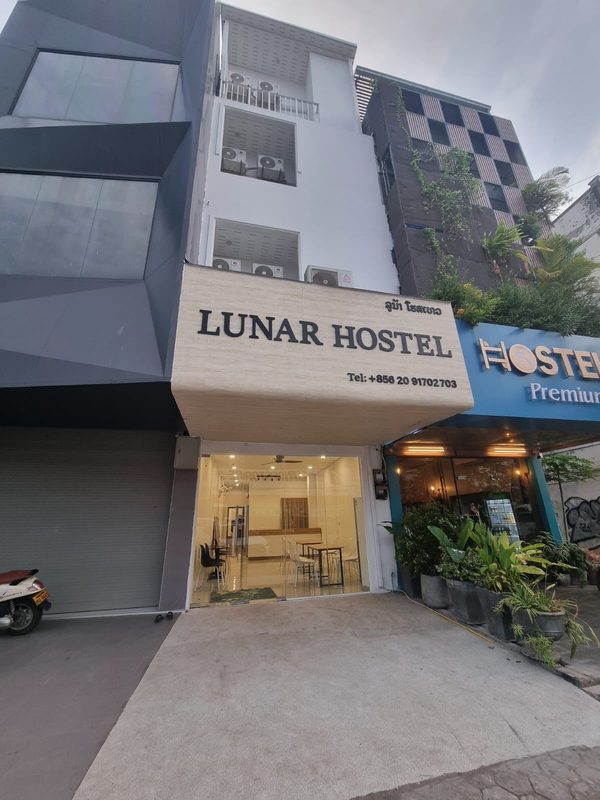
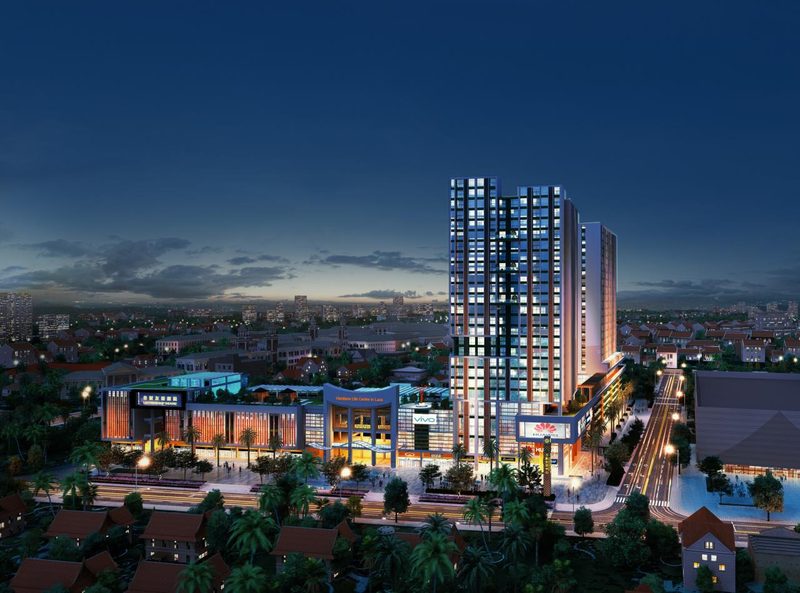
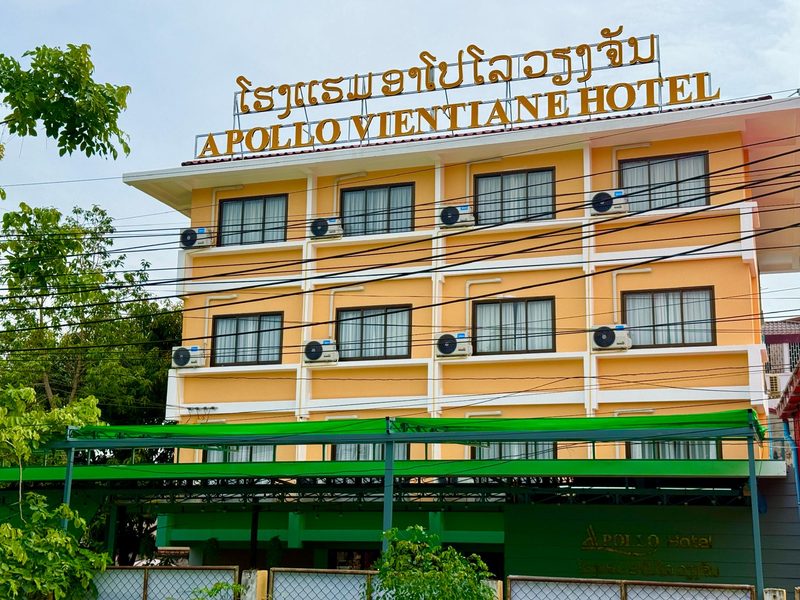
Where to Stay in Vientiane in September
Hand-picked hotels across price tiers for September travellers.
Packing Checklist
Bookmark this page — your progress is saved between visits
Need the full list with shopping links?
Climate-specific gear, brand recommendations, and what to leave at home.
View Vientiane Packing List →Essential Tips
Insider knowledge and common pitfalls to avoid
Insider Knowledge
Vientiane's September rain follows a pattern reliable enough to plan around. Mornings tend dry or lightly overcast until midday. Heaviest downpours arrive between roughly 2 PM and 5 PM. Front-load outdoor sightseeing before noon. Save indoor activities for the afternoon storm window. Try the COPE Visitor Centre, the national museum, a cooking class, or a long Lao coffee in one of the French-colonial shophouse cafes along Setthathirath Road. By 5 PM the sky usually clears enough for the riverfront promenade.
Vientiane stands among the safest capitals in Southeast Asia. September's sparse tourist numbers make it calmer still. Petty theft tracks with crowd density, and crowds barely exist. Apply standard Southeast Asian common sense. Keep valuables in front pockets or cross-body bags, never open backpacks. Exercise reasonable caution on unlit riverside paths after dark. The scam landscape here remains thin compared to most regional capitals. Lao people are hospitable to travelers who make the effort to visit in low season.
September nightlife in Vientiane trades volume for character. The riverside bars and restaurants near the night market stay open, and this month you'll be sharing a Beer Lao alongside long-term expats and Lao university students rather than backpacker herds. The government midnight curfew on bars is still loosely enforced, with places winding down between 11 PM and midnight. The area around the Dongpalane neighbourhood sometimes runs a bit later on weekend nights. Follow the sound of Lao pop music.
If your September visit overlaps with Boun Khao Salak, ask your guesthouse which neighbourhood temple the family attends and whether you might observe. The major temples draw the biggest crowds. But the smaller neighbourhood wats (Wat Ong Teu, Wat Mixai, the small temples tucked behind Thanon Samsenthai) offer an intimate, unmediated view of the ceremony. Arrive before 7 AM. Remove your shoes. Sit quietly at the back. Avoid photographing monks directly unless given clear permission.
Avoid These Mistakes
Planning a rigid all-outdoor itinerary without afternoon contingencies. September in Vientiane punishes inflexible schedules. The travelers who enjoy this month treat the afternoon downpour as a feature, not a disruption: time for iced coffee, a temple interior, a massage, a nap. Block outdoor hours for mornings. Leave every afternoon open for rain or indoor alternatives.
Wearing shoes that cannot survive water. At least once during a September visit, you will step off a kerb into a flooded street, get caught crossing a temple courtyard in a downpour, or wade through runoff that appeared in the five minutes since you last looked down. Travelers in leather shoes or canvas sneakers spend the rest of their trip in footwear that never fully dries at 86% humidity. Waterproof sandals prevent this entirely.
Underestimating the Mekong's September power and accepting boat rides or riverside activities that would be routine in dry season. The river runs fast and heavy with debris this month, and its brown surface hides a current far stronger than it looks from the bank. If a boat service has suspended operations, there is a reason. Never pressure an operator to launch when conditions have closed the route.
Ready to plan your trip to Vientiane?
Now that you've got the research covered, here's where to go next.
Explore More Activities in Vientiane
Didn't see anything interesting yet?
Browse Viator's full catalog of tours, day trips, food experiences, and private guides in Vientiane.
See All Vientiane Tours on Viator